Implants & Laser
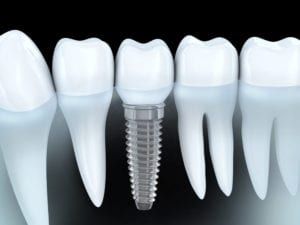
Dental implants are surgical-grade root devices that support permanent tooth prosthetics that potentially last a lifetime. The implants are anchored in the bone beneath the gums where they become fused into the jaw. A crown is mounted atop the implant for a long-lasting and natural smile.
Continue Reading...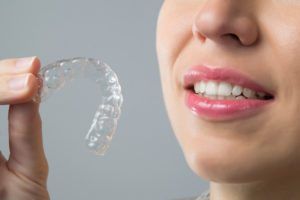
Invisalign®
Invisalign® is an orthodontic appliance system used to inconspicuously treat crooked and crowded teeth in adults and teens. This modern take on braces features a system of clear aligner trays that are worn at all times with the exception of during meals and when brushing or flossing. The trays are custom fitted to the teeth, […]
Continue Reading...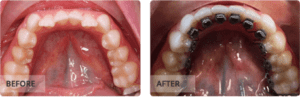
INBRACE (Invisible Braces)
INBRACE improves on the most important aspects of orthodontic treatment and is hidden behind your teeth. It delivers quick results and is more comfortable. Fully Invisible: you can continue smiling normally while your teeth move to create the smile you’ve always wanted. INBRACE was designed to eliminate the most common challenges of working behind the […]
Continue Reading...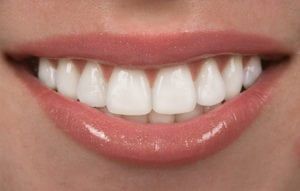
Dental Bonding
Dental bonding is a non-invasive procedure that adheres a composite (tooth colored) resin to the surface of your teeth. It helps to create a brighter, more aesthetically pleasing smile without the use of prosthetics like dentures and tooth implants. This procedure is most commonly used to treat teeth that are cracked, decayed, or discolored. It […]
Continue Reading...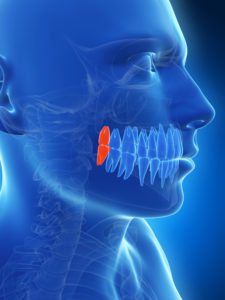
Wisdom Teeth Removal
The wisdom teeth are the final four teeth to erupt from the gums – usually sometime between age 17 and 25. Ideally, the teeth emerge without complication. But according to the American Association of Oral and Maxillofacial Surgeons, as many as 9 in 10 Americans have at least one wisdom tooth that is impacted. Even […]
Continue Reading...
Types of Braces
Dental braces have come a long way since they were invented in the 1800’s. Today, Americans and residents of are privy to a bevy of tooth-straightening options, each of which offers different benefits. Currently, the most popular types of braces used in include: Metal Braces – These are traditional braces most often seen in children […]
Continue Reading...
Children Orthodontics
The majority of patients undergoing orthodontic care are children and teens. When kids are young, their jaws are constantly growing to accommodate new teeth. It is during this time that the teeth are easily moved, allowing for a shorter treatment time – especially in patients who undergo early treatment. Braces, retainers, and spacers are just […]
Continue Reading...
Adult Orthodontics
Everyone deserves a smile they can be proud of, and many achieve straightened, well-aligned teeth after undergoing orthodontic treatment as a child. But for adults who do not have the privilege of having straight teeth, orthodontics are still an option. In fact, there is no such thing as being too old for orthodontic treatment. More […]
Continue Reading...
Endodontic Emergency Treatment
Dental emergencies happen all the time, but some require treatment from an endodontic specialist. Endodontists frequently treat patients who are experiencing sudden and severe pain due to damaged or diseased teeth. Some of the most common endodontic emergencies pertain to cracked teeth, badly infected teeth, and inflamed or infected bone tissues beneath the gums. Seeing […]
Continue Reading...
Endodontic Technology
Endodontic treatments have come a long way in recent years due in part to modern advancements in endodontic technology. Visiting an endodontist is much different than it would have been even just a few years ago thanks to advanced digital imaging tools that help automate office procedures. These tools allow for better accuracy, greater comfort […]
Continue Reading...
Orthodontics
We offer several options for straightening your teeth and giving you the smile of your dreams. Everyone deserves a smile they can be proud of, from children to adults who did not have the privilege of treatment at a younger age. In fact, there is no such thing as being too old for orthodontic treatment.
Continue Reading...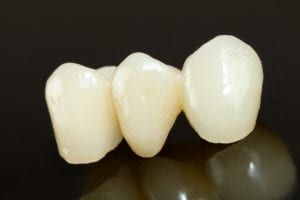
Crowns and Bridges
Dental crowns and bridges are custom-fitted tooth prosthetics that are used to replace or restore damaged or missing teeth. Crowns – also known as caps – are fixed over the surfaces of natural tooth structures or dental implants. Bridges are used to fill in the gaps left by missing teeth and are anchored in place […]
Continue Reading...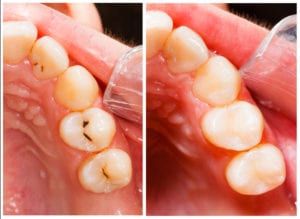
Composite Tooth-Colored Fillings
Composite fillings – also known as tooth-colored fillings – are dental restorations designed to be inconspicuous and natural in appearance. They blend well with the teeth and appear more natural than amalgam fillings, which are darker and more easily seen by other people. Composite fillings are made of ceramic and plastic compounds that chemically bond […]
Continue Reading...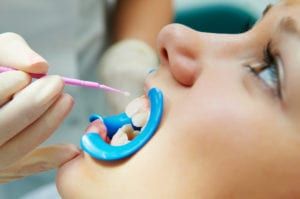
Dental Sealants
Dental sealants are clear coatings applied to the surfaces of a child’s molars to prevent the development of tooth decay. They work by preventing food and plaque from resting in the grooves and crevices of molars – an area especially susceptible to cavities. According to the National Institute of Dental and Craniofacial Research, nearly 1 in 3 U.S. […]
Continue Reading... Dental Implants
Dental implants are surgical-grade root devices that support permanent tooth prosthetics that are manufactured to last a lifetime. These artificial roots are anchored in the bone beneath the gums where they become fused into the jaw. A crown is mounted atop the implant for a long-lasting and natural looking smile. Many dentists and patients prefer […]
Continue Reading...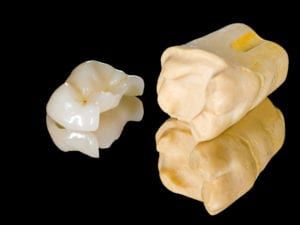
Same Day Crowns, Inlays, and Onlays
Inlays and onlays are dental restorations that are more extensive than dental fillings but less so than caps and crowns. They are typically formed in a dental lab and are made of gold, porcelain or resin depending on the patient’s needs and aesthetic goals. An inlay refers to a restoration that is formed to fit […]
Continue Reading...
TMJ Treatment
TMJ refers to the temporomandibular joint, which is the bone structure, muscles and connective tissues that surround the jaw and control chewing. When patients experience disorders of this joint, they are said to have a temporomandibular joint disorder or TMD. Symptoms of TMD include pain and tenderness near the jaw, as well as popping or clicking […]
Continue Reading...
Veneers and Laminates
Dental veneers – also known as laminates – are used to cosmetically enhance the appearance of one or more teeth. Veneers are very thin, porcelain or resin shells that are customized for a desirable color and shape.
Continue Reading...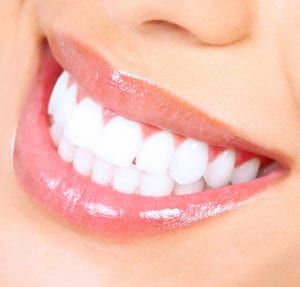
Teeth Whitening
Teeth whitening procedures are used to brighten the appearance of a patient’s smile – sometimes by as many as 5 to 10 shades in a single session. According to the American Dental Association, teeth whitening procedures have become some of the most popular esthetic dental treatments among patients throughout the country, including. Professional teeth whitening […]
Continue Reading...
General Dentistry
General dentistry encompasses a broad range of diseases and disorders of the oral and maxillofacial region. Everyone should see a general dentist for routine oral health examinations, twice-yearly cleanings, and treatment of routine oral health complications, such as minor tooth decay. General dentistry is as much about prevention as it is about treatment. Patients who […]
Continue Reading...
Cosmetic Dentistry
Your smile is the first impression that others have of you, so it makes sense that you would want it to be bright, white and healthy. According to the American Academy of Cosmetic Dentistry, more than 99 percent of all American adults believe that a smile is an important asset for social situations.
Continue Reading...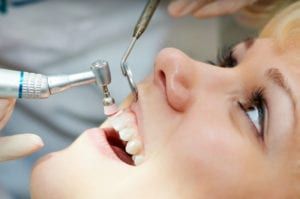
Dental Cleaning & Consultation
Preventative care is a foundation of dentistry. The American Dental Association recommends visiting your dentist regularly – usually about twice yearly – for full cleanings, examinations, and consultations for potential treatment. Professional dental cleanings help remove built-up plaque that is not removable using conventional brushing and flossing. Often, dentists are also capable of identifying potential […]
Continue Reading...
Sports Mouth Guard
Dental mouth guards have long been used to protect the teeth, gums and supporting tissues from damage, injury and trauma. There are two types of sports mouth guards – over the counter and custom. While OTC guards are helpful for occasional use, many dental patients require the benefit of a customized dental mouth guard fitted […]
Continue Reading...
Tooth Extractions
Tooth extractions are routine dental procedures used to remove decayed, damaged or otherwise problematic teeth. Dentists usually make every effort to preserve natural teeth, although sometimes an extraction is necessary. Although the procedure is performed in a dentist’s or oral surgeon’s office, it is considered surgery. Depending on which teeth are removed, they may be […]
Continue Reading...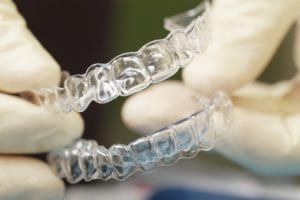
Bite Guards
A bite guard is a dental appliance custom-fit to a patient’s teeth. Bite guards serve varying purposes and are often recommended for use in patients of all ages. It is important that bite guards be professionally fit, rather than purchased over the counter, as this ensures maximum comfort and protection during wear. Professional dental guards […]
Continue Reading...


