Orthodontics

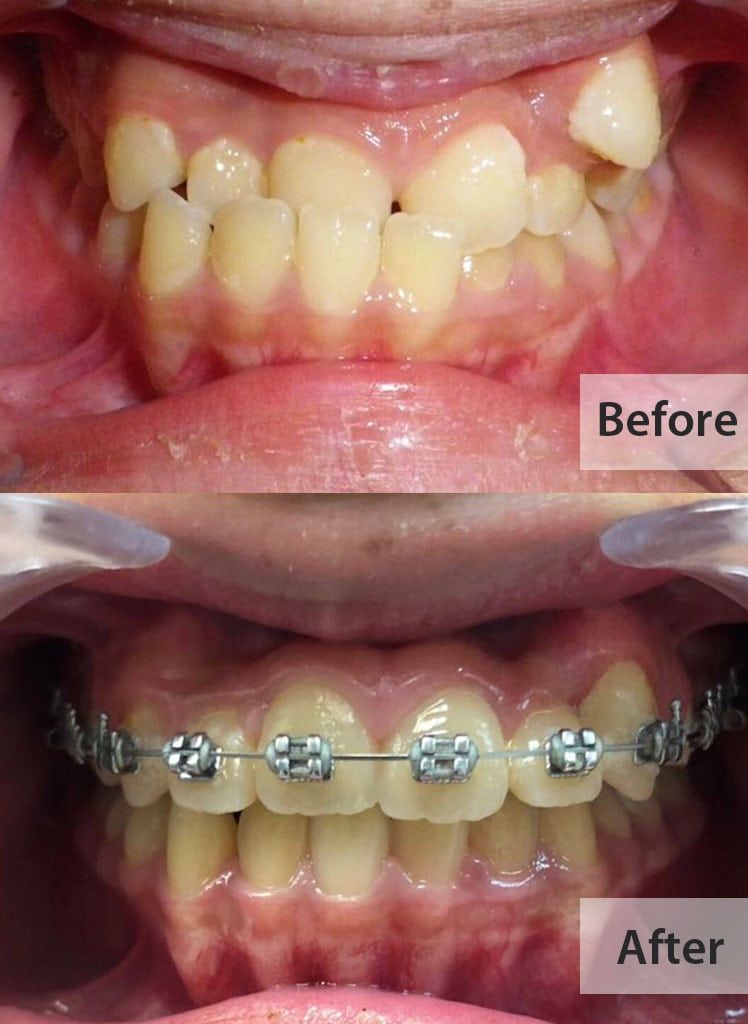
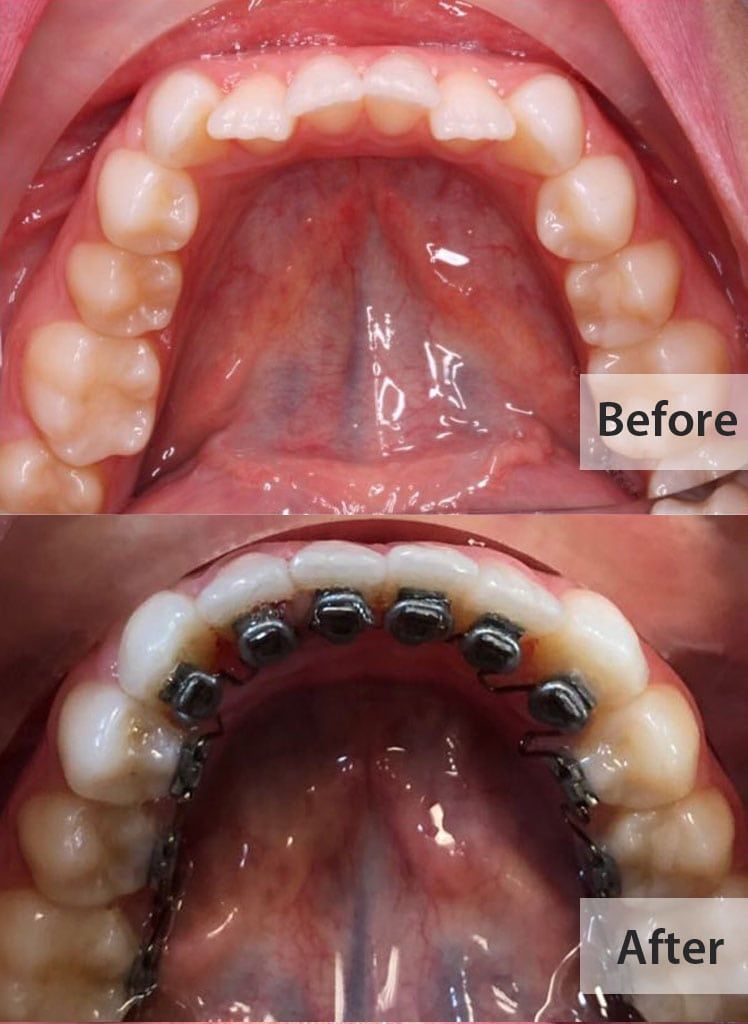
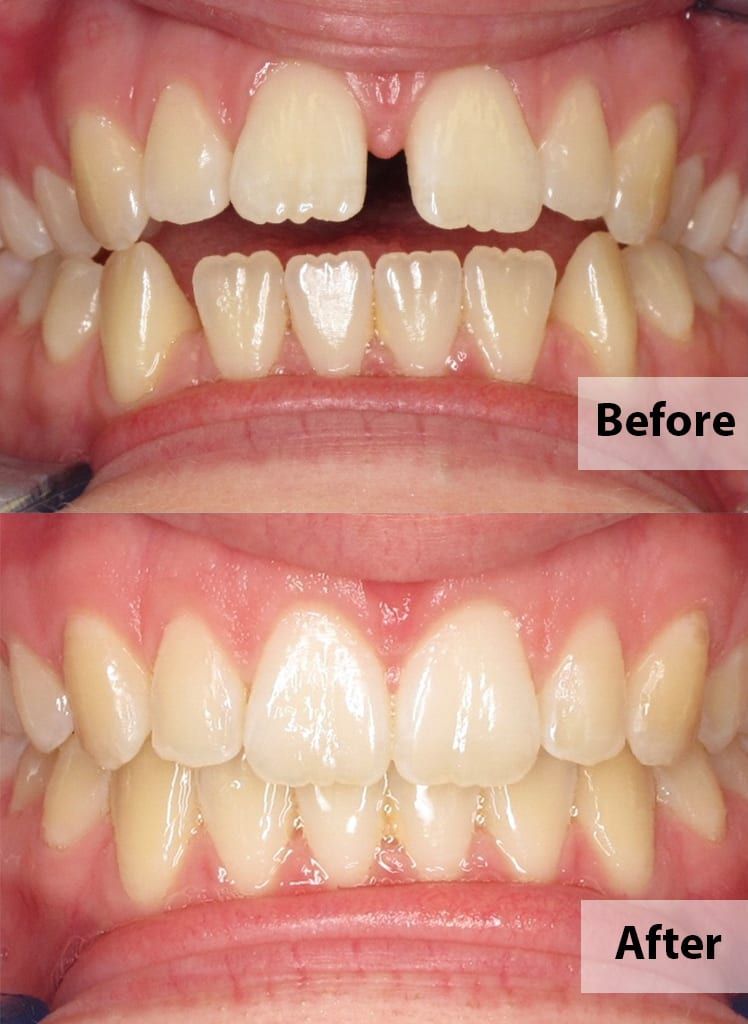
We offer several options for straightening your teeth and giving you the smile of your dreams.
Everyone deserves a smile they can be proud of, from children to adults who did not have the privilege of treatment at a younger age. In fact, there is no such thing as being too old for orthodontic treatment. More adults than ever are seeking straighter teeth – perhaps due to advancements in modern dentistry that allow for more discreet and less invasive orthodontic treatments. And braces aren’t becoming popular for cosmetic reasons alone. Rather, many adults are realizing the long-term oral health benefits associated with having straighter teeth.
Did you know?
There are many myths surrounding braces and adult orthodontics:
- MYTH: Adults don’t get braces.
- FACT: Approximately 20 percent of all orthodontic patients are adults over age 18.
- MYTH: Braces are too embarrassing as an adult.
- FACT: Today’s braces can be made from ceramic to blend in with your natural tooth shade. Many adults also opt for removable braces made of clear and discreet aligning trays. There are new invisible options for adults as well (click here — Link to Inbrace)
- MYTH: I don’t want to spend years in braces.
- FACT: You probably won’t have to. Many adults complete orthodontic treatment in just months.
Frequently Asked Questions
Am I a candidate for orthodontics?
You may be a candidate for orthodontics if your teeth are crowded, overlapping, crooked, or have gaps between them. To find out more about your treatment options, schedule a consultation with your orthodontist.
What should I expect during orthodontic treatment?
During your orthodontic screening, you will undergo an examination and digital imaging to determine the position of your teeth and bite. Your orthodontist will map out a treatment plan designed to give you the straightest teeth possible in the least amount of time. Depending on the type of braces you choose – traditional or removable – you’ll be fitted for your appliance and given instructions on how frequently to return for follow-up appointments.
Will I need to follow any special instructions while I have my braces?
Yes. If you are wearing clear aligners, you’ll need to change out your trays every few days or weeks. You’ll also be instructed to wear your aligners at all times, with the exception of during meals and while brushing your teeth. If you have traditional metal or ceramic braces, you may be given special instructions to avoid biting down on hard or chewy foods, such as popcorn kernels, ice and taffy.


